


Choosing the right contraceptive is an important decision for people who are sexually active and do not want to become pregnant. There are several options available, ranging from hormonal contraception to non-hormonal methods. Here are some of the best contraceptives currently available:
- Hormonal Contraceptive Pills: The birth control pill is one of the most popular forms of contraception. These pills contain hormones such as estrogen and progestogen, which suppress ovulation and thicken the mucous plug in the cervix to block sperm. There are different types of birth control pills available, including combination pills and mini pills, which contain different levels of hormones and work in different ways.
- Contraceptive patch: The contraceptive patch is a thin, self-adhesive patch that releases hormones through the skin. Like the birth control pill, the patch contains estrogen and progestogen and works by suppressing ovulation. The patch is applied once a week and worn for three weeks, followed by a week without the patch to allow for a menstrual period.
- Contraceptive ring: The contraceptive ring is a flexible plastic ring that is inserted into the vagina and releases hormones. The ring contains the same hormones as the birth control pill and the patch and works in the same way by suppressing ovulation. The ring is inserted once a month and worn for three weeks, followed by a week without the ring for a menstrual period.
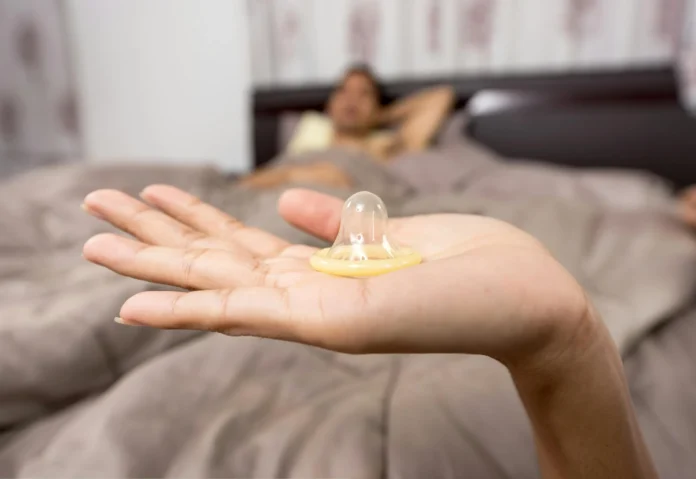
- Condoms: Condoms are a form of barrier contraception that help prevent both pregnancy and sexually transmitted infections (STIs). Condoms are made of thin rubber or latex and are placed over the penis to trap sperm and prevent it from coming in contact with the vagina. Female condoms are also available and are placed in the vagina prior to sexual intercourse.
- Copper IUD: The copper IUD is a non-hormonal contraceptive inserted into the uterus by a doctor. The IUD contains copper, which kills sperm and prevents sperm from reaching the egg. The copper IUD can provide up to 10 years of protection and is a good option for people who cannot or do not want to use hormonal contraception.
- Implant: The contraceptive implant is a small rod inserted under the skin of the upper arm that releases hormones. The implant works by suppressing ovulation and thickening the mucus in the cervix, blocking sperm. The implant can provide up to three years of protection and is a convenient option for people who do not want to use daily birth control.
Choosing the right contraceptive depends on individual needs, preferences and medical history. It is important to talk to a health care provider about the various options and seek advice on which contraceptive is most appropriate for your situation. With the right knowledge and careful consideration, you can find a safe and effective contraceptive method that fits your lifestyle and needs.


