


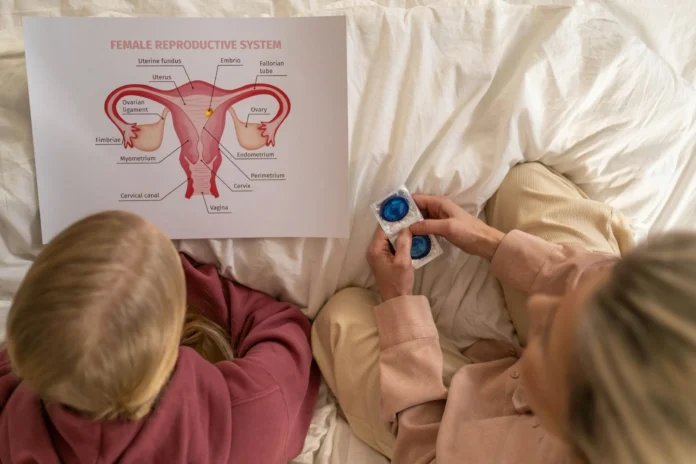
Discussing sex education with children can be a challenging but important part of their education. It provides them with the knowledge and skills they need to build healthy relationships and make informed decisions about their bodies and relationships. Here are some tips for parents and educators on how to begin sex education:
- Start at an early age: It is important to begin discussing basic concepts about the body, relationships and boundaries at an early age. This can be done through simple conversations appropriate to the child’s age and development.
- Use appropriate language: Use simple and clear language appropriate to the child’s age. Avoid jargon and technical terms that can be confusing. The goal is to provide information in a way that is easy to understand.
- Be open and honest: Be open and honest in your communication about sexuality. Give factual information and answer the child’s questions as honestly and sincerely as possible. It is important to create a safe environment where the child feels free to ask questions.
- Discuss boundaries and respect: Teach children about the importance of respecting their own boundaries and those of others. Also discuss the concept of consent and how to communicate their wants and needs in relationships.
- Use teaching moments: Use everyday situations as learning moments. For example, when reading a book together or watching a TV show, you can talk about relationships, emotions and respectful behavior.
- Stay open to questions: Stay open to questions and remain available for ongoing conversations about sexuality as the child grows older. Let the child know they can always come to you with questions or concerns.
- Respect differences: Respect the diversity of families and cultures when it comes to sex education. There are different views and values about sexuality and it is important to respect them, even if they differ from your own beliefs.
By addressing sex education in an open, honest and respectful way, parents and educators can help children develop healthy attitudes and behaviors toward sexuality. This lays a strong foundation for their future relationships and well-being.


